
Mitigating the effects of flooding in the Beni Biosphere Reserve, Bolivia
The 2024-2025 wet season in Bolivia brought exceptionally severe flooding to the Beni Biosphere Reserve, resulting in wildlife losses and significant impacts on local communities. To help mitigate these effects, the RRF provided funding to clear and unblock rivers, redirect floodwaters, provide first aid to affected communities and rescue wildlife.
Designated a UNESCO Biosphere Reserve in 1986, the Beni Biosphere Reserve covers over 135,000 hectares and supports remarkable biodiversity, with more than 500 bird species, 200 plant species and 100 mammal species, including emblematic animals such as the jaguar. Approximately 200,000 people also live in the reserve, making it essential to balance ecosystem conservation with local livelihoods, which largely depend on cattle raising and timber extraction activities.
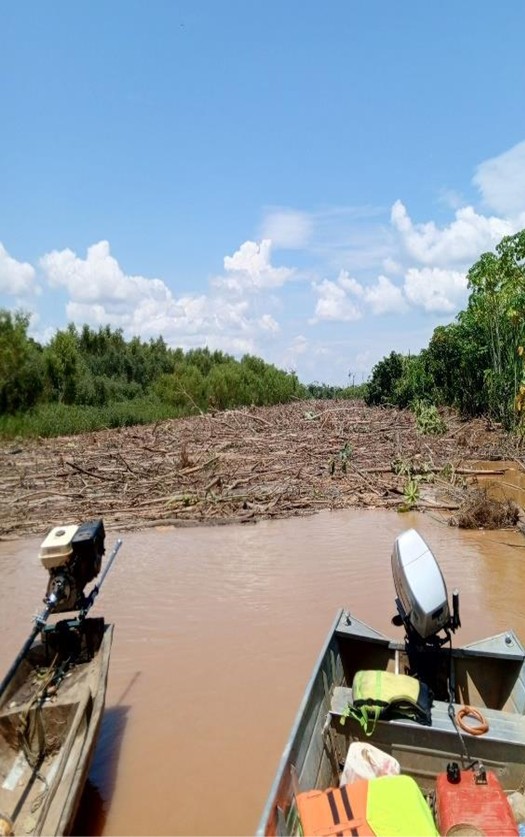
The 2025 wet season was marked by prolonged heavy rainfall, leading to extensive flooding. Conditions were exacerbated by plant material and debris left behind from fires during the 2023 dry season, which blocked and diverted rivers from their natural courses. The resulting floods fragmented habitats for large mammals, disrupted aquatic ecosystems and food chains, and affected species not adapted to the prolonged high-water levels. Furthermore, local communities experienced severe damage to crops and homes, increasing the risk of greater dependence on the reserve’s natural resources.
In response, the RRF granted $39,376 to the Bolivian NGO La Senda Verde to work alongside the reserve authorities in addressing the ecological and social impacts of the flooding. The funding supported the purchase of equipment to redirect floodwaters, clear blockages, and recover previously flooded agricultural land. These efforts benefited an estimated 500 Indigenous people of the Tsimane community. By protecting livelihoods, the project also helped reduce the risk of increased illegal activities and unsustainable reliance on the reserve’s natural resources.
Training provided to local communities and ranger brigades has strengthened their technical skills in wildlife rescue, patrolling and environmental monitoring, improving long-term capacity to respond more effectively to future flooding. The funding also enabled ten surveillance patrols and the establishment of a network of camera traps to combat illegal hunting.
La Senda Verde, who are specialists in wildlife rehabilitation, delivered veterinary care and rehabilitation for affected animals, including the relocation of some individuals to their purpose built sanctuary. In addition, an artificial nesting beach was created to provide threatened river turtles with a safe breeding site following the destruction of natural nesting areas by floods.