
Strengthening surveillance during insecurity in W-Arly-Pendjari complex, Niger
The W-Arly-Pendjari Complex World Heritage site is a mosaic of nine protected areas spreading across three countries (Benin, Burkina Faso and Niger). At the end of 2022, regular monitoring showed a sudden, dramatic increase in illegal activities, including poaching, illegal logging, deliberate wildfires and incursions by armed militants. The RRF provided funding to Wild Africa Conservation to strengthen monitoring in high-intensity poaching spots and establish a rapid response mechanism to address illegal activities.
The nine protected areas of the W-Arly-Pendjari Complex encompass 1,714,831 hectares, creating the largest and most important continuum of terrestrial, semi-aquatic and aquatic ecosystems across in the West African savanna belt.
This complex provides a vital habitat for a number of highly threatened species including the largest elephant population in West Africa, African manatee, cheetah, leopard and topi antelope. W-Arly-Pendjari complex also harbours the only viable population of lions in the region.
The emergency
In late 2022, insecurity in the area was limiting the ability of government authorities and partners to undertake monitoring and protection activities in the park. Limited surveillance capacity had led to an increase of illegal activities, including poaching, illegal logging and deliberate wildfires, as actors knew they were less likely to get caught.

The response
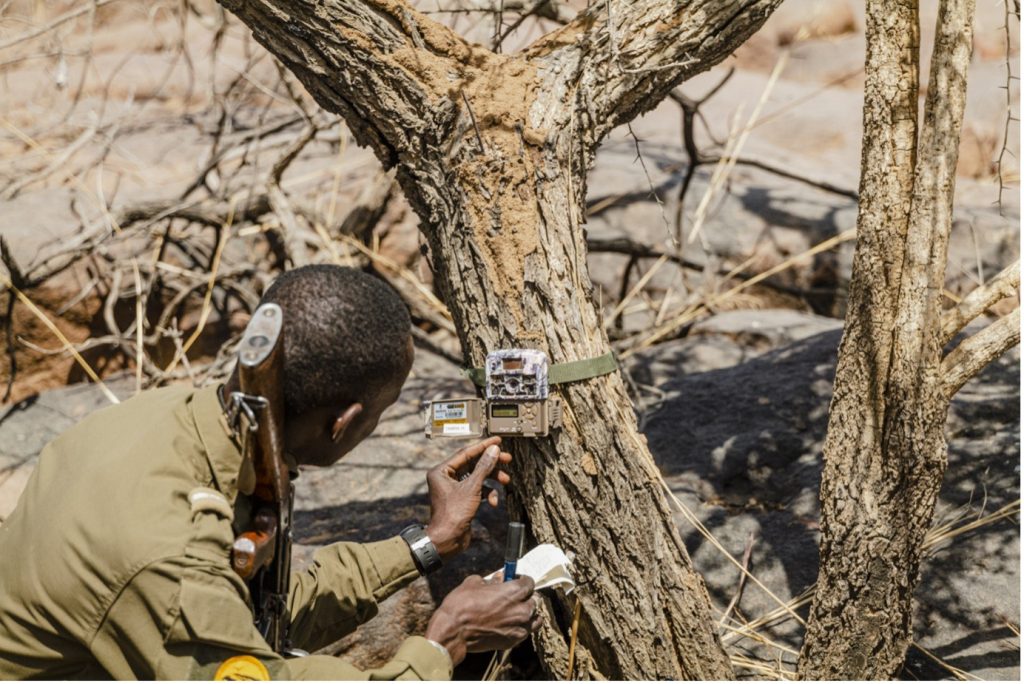
Wild African Conservation used RRF funding to deploy 53 camera traps to collect key information on illegal activities (e.g. poaching, illegal logging, deliberate wildfires), and monitor the presence of several wildlife species. After four retrieval missions over 65,000 photos were collected from the cameras, which helped direct surveillance patrols to the most affected areas.
The funding also supported the implementation of a rapid response system by providing key resources and training to 65 rangers to patrol for illegal activities. The first patrols started in February 2023, and covered over 4,500 km in the first 4 months.
As a result of the measures put in place, intel on illegal activity across the park was gathered more quickly, 95 reports of illegal activity were received and 31 arrests were made.
The RRF funding provided short-term actions to address rapid increases in illegal activity. The speed of the decision-making process allowed the implementation of activities before the dry season started, when poaching tends to increase because of the congregation of animals at water holes.