
Putting out fires in Bolivia’s Noel Kempff Mercado
In 2024, fires put the forests and wildlife of Bolivia’s Noel Kempff Mercado National Park and World Heritage site at great risk. To help protect this important area, the RRF provided a $40,000 grant to Fundación para la Conservación del Bosque Chiquitano. The funding helped fight the fires and protect the park’s valuable biodiversity, improved coordination between local communities and authorities, and laid the foundations for a stronger, more effective response to fire in the future.
Noel Kempff Mercado National Park is one of the largest and most intact national parks in the Amazon Basin, and has a been a UNESCO World Heritage Site since 2000. The park has a wide range of habitats including rainforests, savannahs, swamps and dry forests, all of which are home to rare and endangered species.

Noel Kempff Mercado provides a home to over 1140 vertebrate species and around 2,700 species of vascular plants typical of the Amazon forest, Cerrado, flooded savannas and Chiquitano Dry Forest. It has a long evolutionary history and the habitats it contains have been isolated for millions of years, resulting in a unique ecosystem.
Whilst fires occur naturally in the area, in 2024 they were unpredictably large and overwhelmed a large portion of the park and surrounding protected areas, threatening the flora, fauna and the services the ecosystem provides.
The emergency
In August 2024, fires fuelled by extreme drought, strong winds, and surrounding human activities started fires that then spread through the park. Whilst fire occurs naturally in the region, changes in the climate are likely to be exacerbating the threat these pose, and the risk of fires getting out of control.
Three main fires consumed over 196,000 hectares of the national park. Fire also engulfed over 320,000 hectares of the neighbouring Bajo Paraguá protected area.
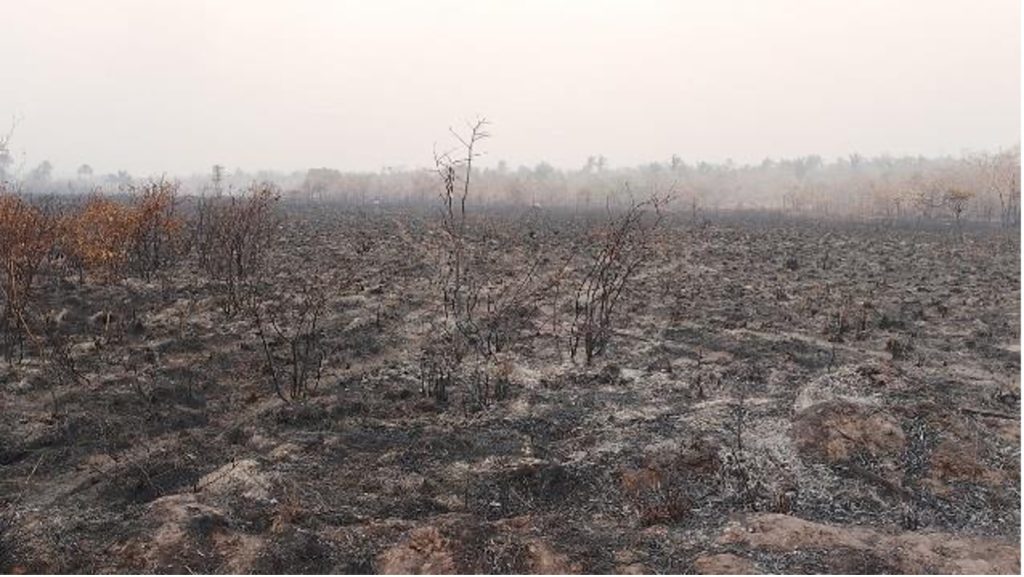
Supported by the RRF grant, Fundación para la Conservación del Bosque Chiquitano led the development of a Rapid Combat Plan to coordinate the response to the fire. This included identifying the most at-risk areas, access routes to these areas, and nearby water sources. Four community fire-fighting brigades were equipped and mobilized in the southern part of the park, alongside two park fire brigades, local government, and firefighters from nearby areas, to control the fires. The teams were provided with protective gear, water tankers, pumps, tools, hoses, and essential supplies to support their efforts on the ground and an outboard boat motor to improve patrolling and monitoring. As a result, all the fires were completely extinguished, both within and around the area, protecting the park’s valuable biodiversity and habitat from devastating damage.
To strengthen the capabilities of the fire-fighting brigades to combat future fires, three workshops were held with park rangers, communities, risk management committees and local authorities to improve coordination between agencies. The Fire Prevention and Fighting Plan that was developed establishes actions for the management of future fires, which will allow for quicker and more coordinated responses if fires get out of hand again – which may be increasingly likely with the changing climate.
Educational campaigns shared information about the damage fires cause and encouraged better fire prevention practices to mitigate the risk of future fires. Communities living in the park’s buffer zone, such as Bajo Paraguá, were actively involved in these efforts, strengthening their role as protectors of the park.
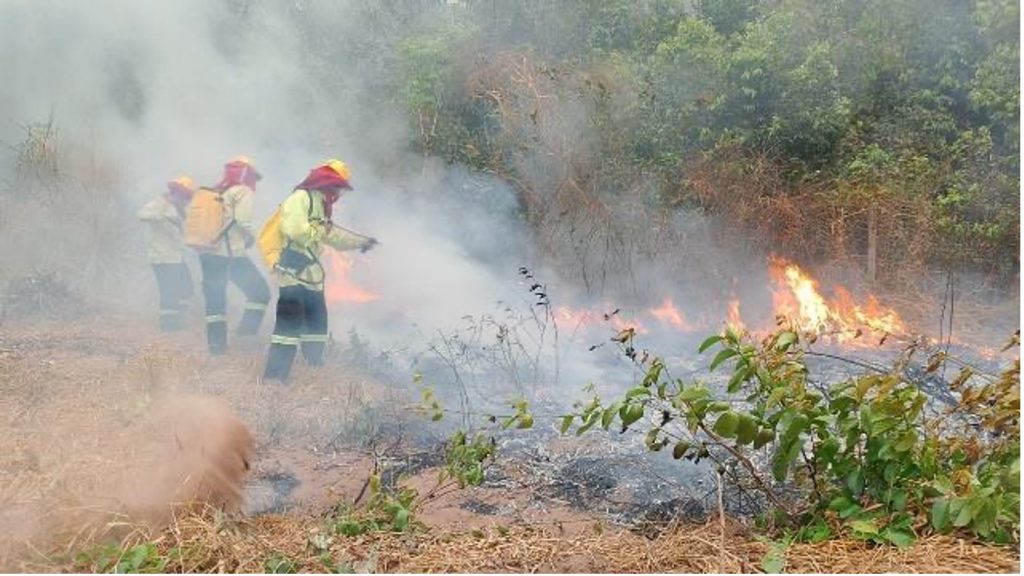
Forest fires threaten humans and wildlife, and their effects can be devastating. The RRF was able to provide rapid assistance to reduce to impact of the fires in Noel Kempff Mercado National Park, and the surrounding communities, saving the fauna and flora of this biodiverse landscape. The fire prevention and management plan and coordination with relevant authorities and communities should have a long-lasting impact, reducing the damage caused by fires in years to come.
Quote from the applicant:
“The RRF is a fund that fulfilled, in the case of the Natural Heritage, its emergency mission for the containment of the fire. Not only the approval and disbursement was agile, but also the response to budget modifications.”