
Protecting the gorillas of Bwindi Impenetrable National Park during the COVID-19 pandemic
The COVID-19 pandemic had a long-lasting impact on countries across the globe; but also threatened our close evolutionary ‘cousins’ and one of the world’s most iconic threatened species – the mountain gorilla, the jewel in the crown of the Bwindi Impenetrable National Park and World Heritage site. In 2020, RRF provided critical emergency funding to the park to safeguard one of the world’s two remaining mountain gorilla populations.
Bwindi Impenetrable National Park is a UNESCO natural World Heritage site, located in southwest Uganda, and is home to almost half the global population of mountain gorillas (Gorilla beringei beringei), found exclusively in Bwindi and the Virunga Landscape (Uganda, Rwanda and the Democratic Republic of the Congo).
The mountain gorilla is a top priority for global conservation, and the population at Bwindi is the jewel in the crown of this natural World Heritage site (https://whc.unesco.org/en/list/682/). Bwindi is surrounded by one of the highest rural population densities in Africa, with over 600 people per square kilometre, and pressures on this incredibly valuable forest are high.
Another very significant threat to gorilla survival is human-gorilla disease transmission, because gorillas do not have natural immunity to human viruses. Tourism in Bwindi has provided a mechanism for the protection of this gorilla population, providing job opportunities for local communities and financial support for the management of Bwindi, but it can also present challenges for keeping the gorilla’s safe from disease.
The emergency
The COVID-19 pandemic, which started in 2020, presented a potentially catastrophic threat to this already endangered species. Being so closely related to humans, there was a very real risk of the virus being transmitted to the gorillas, with possibly disastrous consequences.
The shutdown of international travel and tourism also increased threats to the gorillas, as there was reduced income for park management activities, including daily patrols to control illegal activity, gorilla monitoring and community education.
Local communities who depend on the tourism industry were also more reliant on the park’s resources for their livelihoods. In March and April 2020, 822 snares to catch bushmeat for food were found, compared to 21 in the same period in 2019.
The response
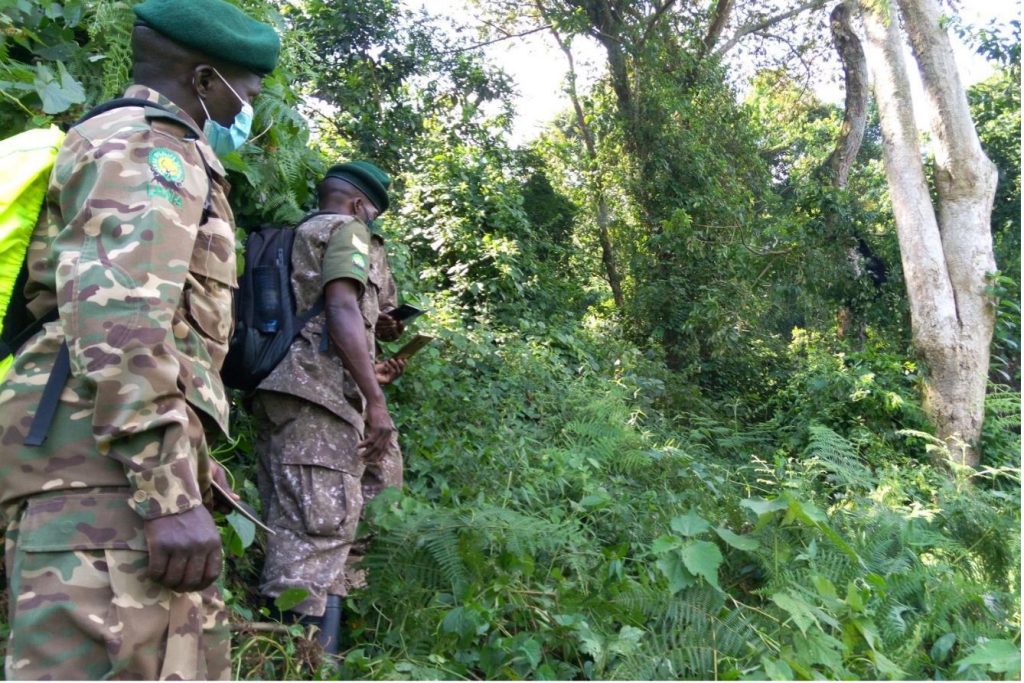
In June 2020, the RRF provided funding for personal protective equipment, including face masks, sanitizer and gloves, for Uganda Wildlife Authority staff, to reduce the likelihood of COVID-19 transmission during daily monitoring of the gorilla population. The equipment allowed safe surveillance of 19 gorilla groups, almost half the Bwindi gorilla population, and no cases of COVID-19 in the population were identified. The births of 10 new gorillas were observed during this period, suggesting that the population was in good health.
Patrol teams were supported with equipment to patrol and monitor for illegal activities using the Spatial Monitoring and Reporting Tool (SMART). This allowed the Uganda Wildlife Authority to increase their patrolling of the park for illegal activities, resulting in a 61% reduction in snares in the latter 6 months of 2020, compared the first half the year.
Eighty-four members of community groups were also provided with raincoats, boots, gloves and facemasks, allowing them to safely continue their monitoring and mitigating of human-wildlife conflict. The work of these community groups resulted in a 50% reduction in crop raiding by gorillas outside of the park boundary, compared to January to June 2020.
Two meetings with 40 community leaders were conducted to discuss and share knowledge about gorilla conservation including mitigating the spread of COVID-19 amongst the human population and between humans and gorillas. Furthermore, engagement with communities resulted in the disbanding of three poacher groups.
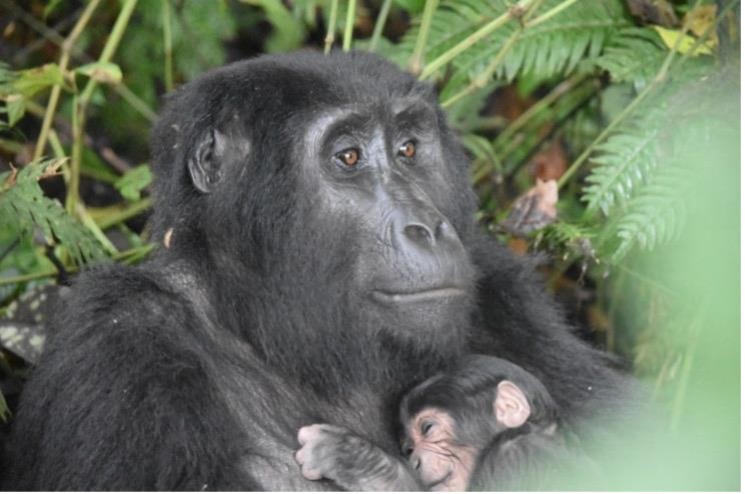
The RRF was able to act quickly and decisively to provide funding to secure the mountain gorillas in the face of the unprecedented COVID-19 pandemic. The swift decision-making process allowed Uganda Wildlife Authority to act pre-emptively to secure this valuable population before irreparable harm was caused.
Quote from the applicant:
“The grants were provided expeditiously after signing the contract. We were able to halt and reduce the threat of wire snare setting and animal mortalities within two months of project intervention as well as minimized threat levels to low levels comparable to those of 2018 and 2019.” – Uganda Wildlife Authority.