
Protecting Great Apes From Ebola in Virunga National Park, DRC
In May 2026 the World Health Organisation (WHO) declared a Public Health Emergency of International Concern following an outbreak of the Ebola virus in Eastern Democratic Republic of Congo (DRC) and Uganda. In response, the Rapid Response Facility (RRF) provided emergency support to reduce the risk of Ebola transmission from humans to the globally important populations of eastern lowland and mountain gorillas within Virunga National Park DRC.
Virunga National Park, a UNESCO natural World Heritage site, covering an area of 790,000 ha, is the most biodiverse African National Park due to its wide diversity of habitat types, including savannah, marshland and afro-alpine forest belts. The park contains one third of the world’s population of mountain gorillas, as well as small populations of eastern lowland gorillas and 20 other primate species.
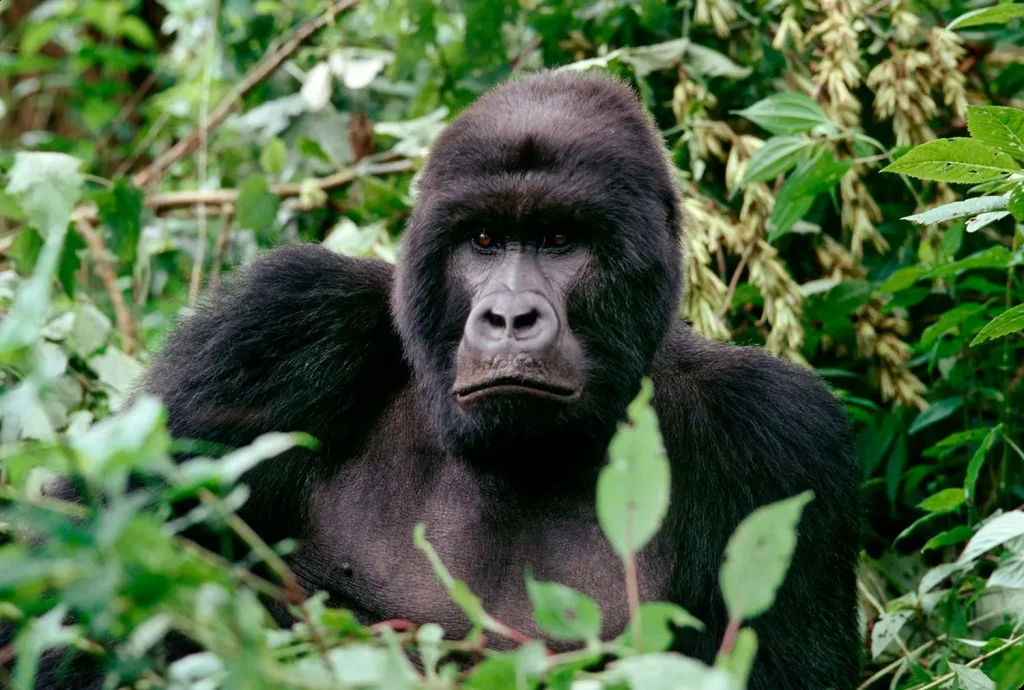
The May 2026 Ebola outbreak is uniquely challenging, as it involves the Bundibugyo strain of the Ebola virus, for which there is currently no widely available vaccine. Great apes are particularly susceptible to Ebola, and outbreaks have previously caused devastating declines in wild gorilla populations. Long-standing insecurity in and around Virunga National Park further hampers disease surveillance and movement control, creating a challenging operating environment for conservation work and increasing the risk of disease transmission at the human-wildlife interface. In response, the RRF granted $40,000 to the Virunga Foundation to strengthen biosecurity, disease surveillance and early detection measures at key access points within and around the park. The grant will help to establish and operate five strategic screening and biosecurity stations, equip frontline teams with essential protective equipment including PPE, thermal screening equipment, sanitation and hygiene materials, and strengthen disease reporting and traceability systems to reduce the risk of Ebola transmission between people and great apes. The grant will also reinforce the coordination between Virunga National Park, Gorilla Doctors (an organisation that provides veterinary care to wild eastern gorillas), public health authorities and technical partners through improved communications and satellite connectivity, supporting an integrated One Health approach that recognises the close links between the health of people, wildlife and ecosystems.