Rapid relief to exceptional natural sites
UNESCO natural World Heritage sites play a vital role in safeguarding critical habitats for countless iconic species. They encompass areas of exceptional natural beauty, unique ecological processes, outstanding landscapes, and extraordinary biodiversity. Among them are some of the planet’s most significant natural areas: Serengeti National Park in Tanzania, home to one of the largest terrestrial mammal migrations on Earth; several of the last remaining intact rainforest ecosystems in the Amazon, the Congo Basin, and Asia; and Ecuador’s Galápagos Islands, a living laboratory of evolution.
But these exceptional sites can be hit by natural or man-made disasters such as earthquakes, oil spills or civil unrest. Responding rapidly to such disasters can make the difference between irreparable destruction and lesser, reversible damage.
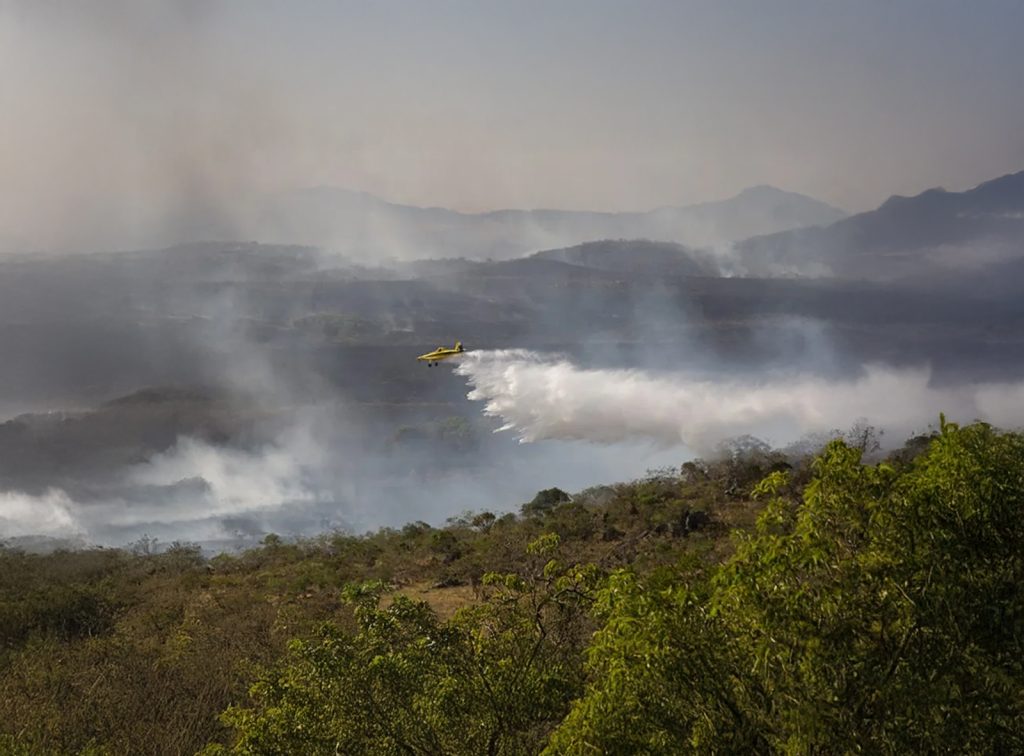
Watch this video to learn more about how the RRF grant helped to reduce fire impact in Brazil’s Cerrado.
The world’s fastest conservation fund
There are few mechanisms that can get funds to the ground rapidly to address sudden conservation disasters, especially in lower-income countries.
A fast response is fundamental to what we do. Our quick decision-making process allows resources to be mobilised rapidly on the ground. We aim to make informed decisions within eight working days of receiving an application. This makes us the world’s fastest conservation fund.
Our projects
At the heart of every grant we make is a tragic incident. The case studies and updates below reveal the stories behind our grants, and show why RRF support is so vital.
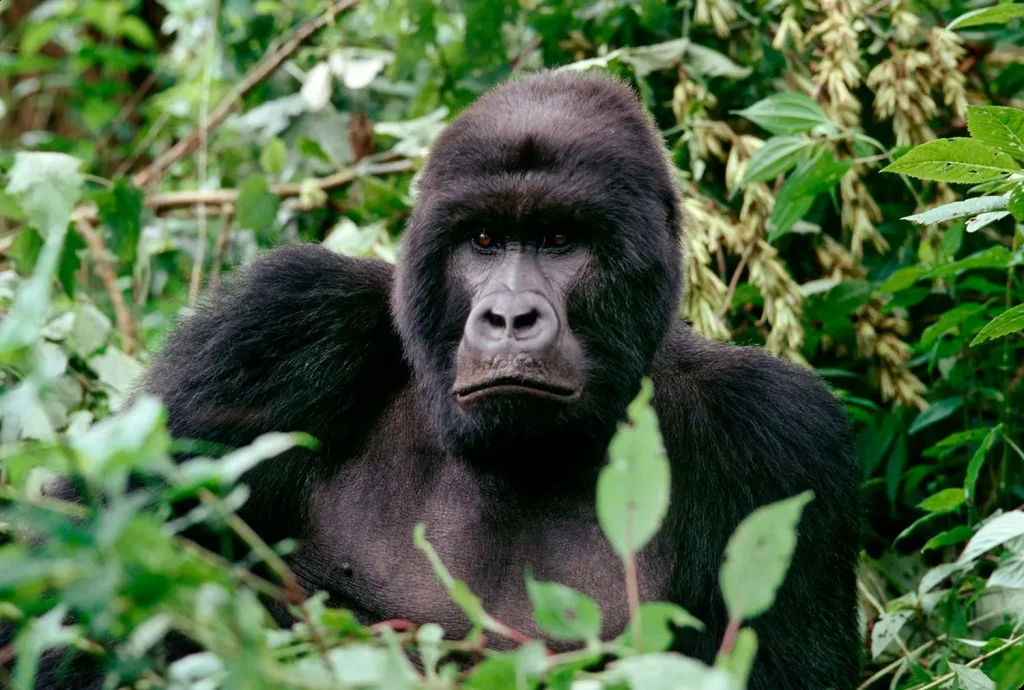
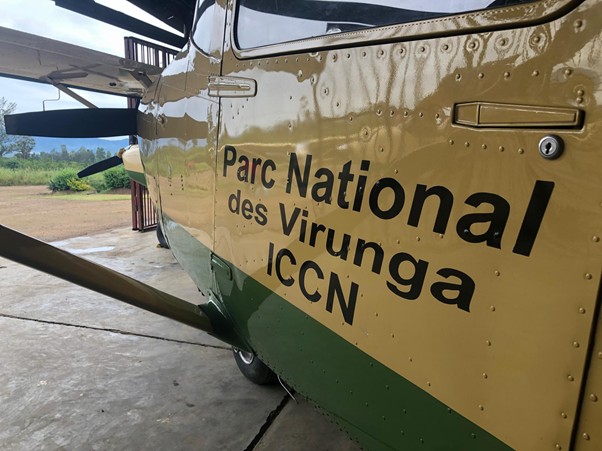
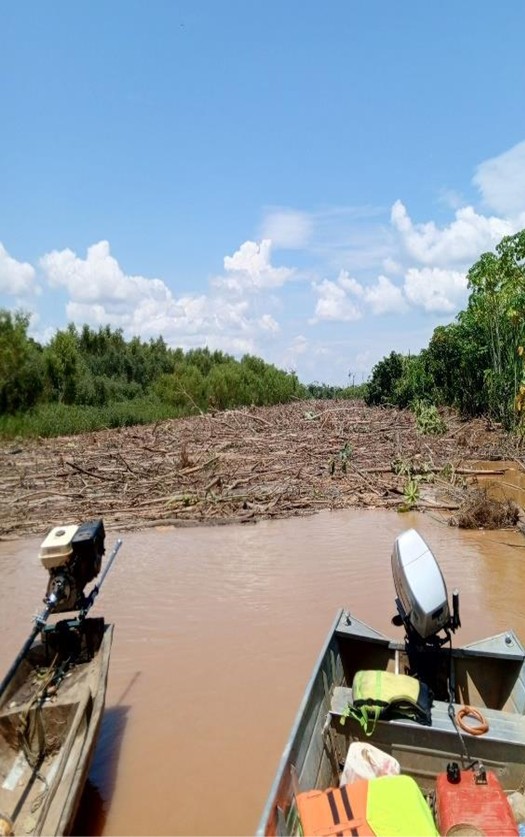
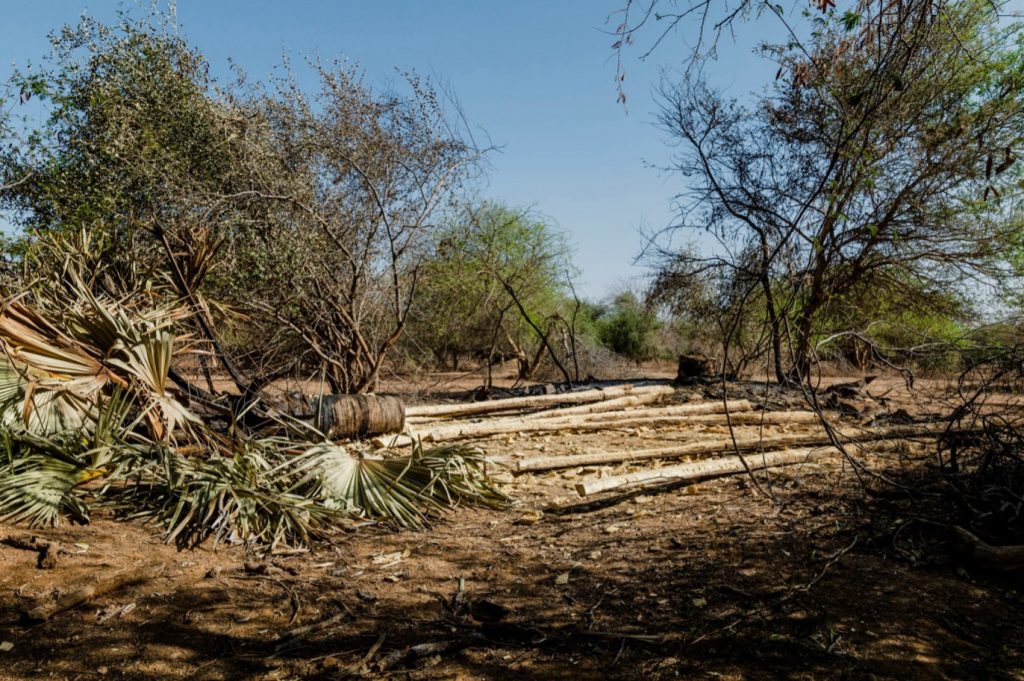
Strengthening surveillance during insecurity in W-Arly-Pendjari complex, Niger
Find out if your project might be eligible for funding
Our rapid self-assessment provides guidance on whether your project might be appropriate for RRF support. For further guidance, please contact the RRF Secretariat.
Our partners
The Rapid Response Fund (RRF), founded in 2006, is a partnership between UNESCO and Fauna & Flora, combining extensive “on the ground” experience and in-depth situational knowledge, giving the RRF compelling credibility and rigour. The RRF Secretariat is hosted by Fauna & Flora in Cambridge, UK, with support from the Norwegian Ministry of Foreign Affairs, Arcadia, Fondation Franz Weber and Fondation Iris.